WASHINGTON, D.C.—In a statement given this week, House Speaker Nancy Pelosi said she feels for Americans struggling with prices at the pump and offered a suggestion for how to cope by becoming a millionaire through insider trading.


WASHINGTON, D.C.—In a statement given this week, House Speaker Nancy Pelosi said she feels for Americans struggling with prices at the pump and offered a suggestion for how to cope by becoming a millionaire through insider trading.
by John Stossel
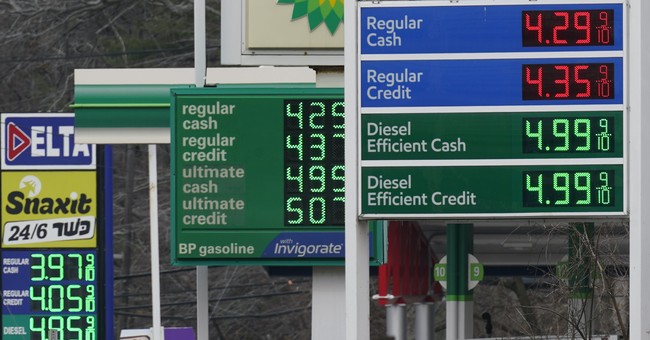
The price of gas keeps rising.
“The reason for that is because of Putin’s war,” said President Joe Biden.
But that’s impossible. Most of the price rise came before Putin attacked Ukraine.
So some politicians simply blame “corporate greed.”
Sen. Sheldon Whitehouse accuses the oil industry of collecting “excess profit.”
Sen. Elizabeth Warren even introduced a bill to ban “price gouging.”
This is just economic ignorance, as my new video explains.
“If big oil could raise prices anytime they wanted and get away with it, then why were they so cheap in 2020, 2019, 2018?” asks the Competitive Enterprise Institute’s Ben Lieberman.

Here’s a great way to reduce the artificially induced doubling of the price of a gallon of gas: Reduce how far a gallon of gas will propel your car.
That’s what Corn Pop just did by issuing a diktat – these are styled “executive orders” to make them seem less diktaty – that “gas” will henceforth be 85 percent gas rather than 90 percent. Another 5 percent of the stuff you pump will be ethanol – alcohol derived from corn.
Supposedly, this will reduce the cost of a gallon since ethanol is “renewable” and made right here, in the USSA. Actually, it will reduce the fuel efficiency of every car that burns it because alcohol contains substantially less energy (BTUs) than gasoline. So you’ll pay a bit less – maybe – but you’ll go less far.
And so, pay more often.
Isn’t it grand?

The term wildcatter is seldom heard anymore, seldom used. It has (or had) a romantic ring to it once-upon-a-time. Probably, today, it is better left among its own: That ownership of the term is wherever the spirit of men like Michael Halbouty or Glen McCarthy (both of Texas), or The Hughes brothers, Dan and Dudley (Texas and Mississippi), or perhaps the granddaddy and most colorful of all wildcatters, Columbus (Dad) Joiner, an old Alabama country boy who at the ripe old age of 70 promoted and sold (and oversold) The East Texas Field, the largest in the world at the time.
If you think gas (and food) are expensive now, give it a week.
That’s all it may take for the thing styled the “media” to whip up enough hysteria about the Danger of Putin to cause something far worse and even more idiotic than the pouring out of Russian Vodka into the sink.
That thing being the turning off of the Russian spigot.
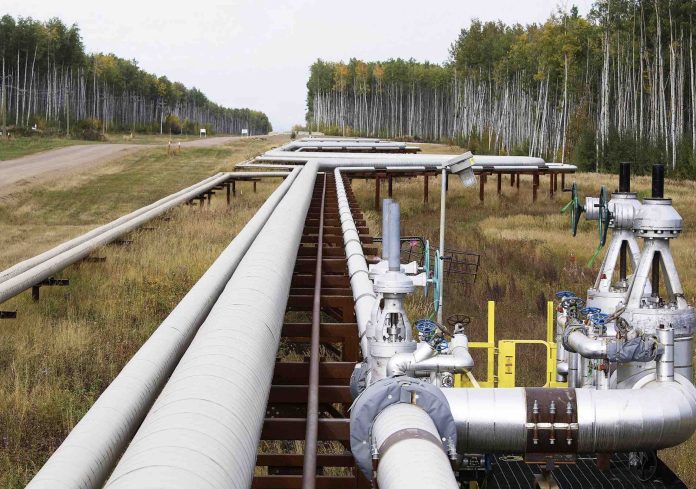
America currently imports something on the order of 600,000 barrels of Russian oil every day – an amount about 200,000 barrels shy of the number of barrels America would not have to import from Russia, had the Biden Thing not cancelled the Keystone Pipeline, among other things. 
The deficit of those 200,000-something barrels per day – along with the other things of-a-piece done by the Biden Thing to reduce the supply of oil available to Americans – has helped to almost double the price of a gallon of gas over the course of a little more than one year since Orange Man Bad. And while he may, indeed, have been very bad – as by declaring (and continuing) an “emergency” when there wasn’t one and by turgidly Warp Speeding dangerous drugs not merely into existence but facilitated the forcing of them into the bodies of tens of millions of Americans – he was very good on the energy front.

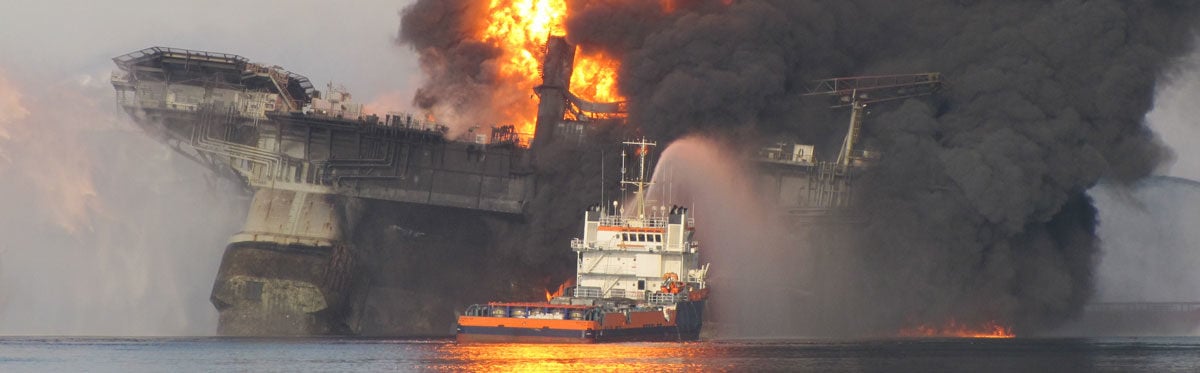
WASHINGTON, D.C.—In spite of Democrats’ best efforts to curb the use of fossil fuels, stubborn Americans continue to use them to power their automobiles and heat their homes. Biden is responding to this crisis with an ambitious new plan to raise the price of gas to $100 per gallon by the end of his first 100 days in office.
In Part 1 of this article I pointed out how we have allowed ourselves to be cowed by authoritarian “experts” who have proven to be nothing but incompetent and wrong every step of the way, while the financiers have used the crisis once again to pillage the citizens as they did in 2008/2009.
The absurdity of shutting down this country based on academic death models that make economist and climatologist models look highly accurate in comparison, can be seen in the ludicrousness of the following chart. And realize we did this on purpose because of a virus that will kill .018% of the U.S. population. And most of those deaths will occur in several highly dense urban enclaves, with the rest of the country barely affected.
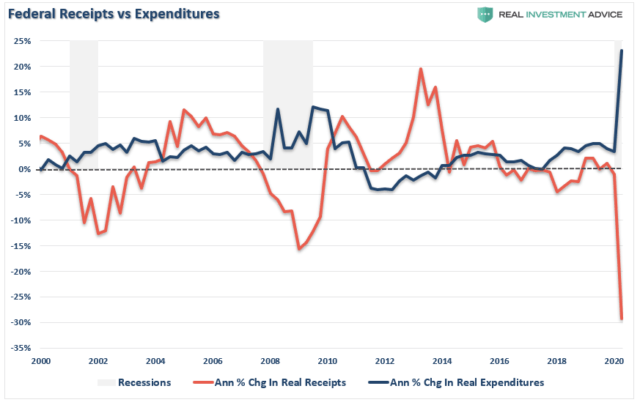
By shutting down the country the government has crushed virtually every business in the country and putting tens of millions out of work, with resulting crash in tax revenues at the Federal, State and Local level. At the same time, Trump and everyone in Congress have become Bernie Sanders socialists, except most of it is corporate socialism. The deficit was already on track to top $1.2 trillion, but with the $2.2 trillion stimulus package, and more to come, the deficit this year and next will approach $3 trillion.
“It has been more profitable for us to bind together in the wrong direction than to be alone in the right one. Those who have followed the assertive idiot rather than the introspective wise person have passed us some of their genes. This is apparent from a social pathology: psychopaths rally followers.” ― Nassim Nicholas Taleb, The Black Swan: The Impact of the Highly Improbable
Continue reading “THE ROAD TO PERDITION IS PAVED WITH EVIL INTENTIONS – A FINAL RECKONING”
Guest Post by Eric Peters

One of the upsides to Coronavirus is downward pressure on the price of oil – helped further downward by a price war between some of the world’s producers. In my area – SW Virginia – the price of unleaded regular gazzuline has already fallen to just over $2 per gallon; it is possible it’ll fall to less than $2 per gallon before spring and that is more than just really good news for people who fill-up.

Authored by Tsvetana Paraskova via OilPrice.com,
U.S. gasoline prices are at a four-year-high this year as a result of the higher price of oil which has reached a three-and-a-half-year high in recent weeks.

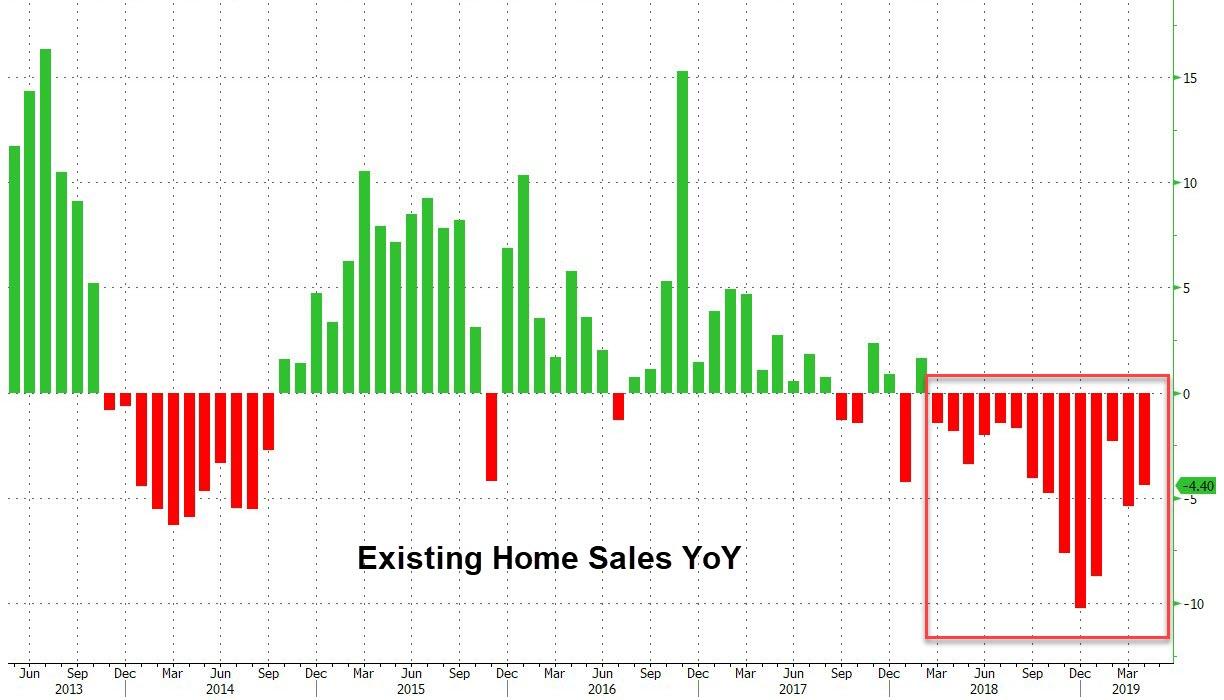
The increased pump prices are now eating into the disposable income of the average American household that will have a total of $440 less to spend this year on other goods and services because this money is expected to go for buying higher-priced gasoline.
Continue reading “This Is How Much U.S. Households Lose As Gas Prices Rise”
Traveling for Memorial Day weekend? It’s going to cost you.
Regular gas is predicted to cost $2.95 per gallon this holiday weekend, an almost 50 cent jump from this time last year, according to data from AAA. Drivers will end up paying $1 billion more for gas, reports GasBuddy.com.
In the past two weeks alone, gas has jumped at least 12 cents per gallon, sending motorists on a course to pay the highest Memorial Day prices since 2014.
Political clashes and basic economics have worked together to drive up prices, AAA spokeswoman Jeanette Casselano told NBC News.
Continue reading “Gas will cost drivers $1 billion more this Memorial Day weekend”
This news brings into question a couple narratives being peddled to the American public. If the world is awash in all that U.S. fracking oil, why have oil prices gone up 65% in the last year, from the low $40s to over $70? Doesn’t supply and demand work any more? If you are a non-thinking parrot you would say it is due to increased demand because Trump has boosted the economy. You’d be wrong, as total miles driven in the U.S. is up less than 1% in the last year.
The price of a gallon is up 23% in the last year, or about 55 cents a gallon, and rising as we enter the summer driving season. A middle class family with two working parents will use approximately 1,000 gallons per year on average with two cars. That means their gasoline bill alone will be $550 more than a year ago, not to mention all products that will go up in price due to increased transportation costs and heating and cooling costs going up.
Middle class families making between $50,000 and $75,000 got an average tax cut of about $850 this year from the Trump tax bill. About 65% just disappeared in gasoline expenditures, with the rest being silently taken by corporations in the form of higher costs for everything. So it goes for the working middle class.
You may have noticed, gas prices are on the rise and hitting levels not seen in more than three years. Gas prices nationwide are up a nickel in just the last week. That’s 20 cents in the last month, according to AAA.
Drivers fueling up in New Jersey are paying just under $3 for a gallon of regular unleaded.
Continue reading “Gas prices rise to levels not seen in more than 3 years”

I stopped trying to predict markets back in 2008 when the Federal Reserve, Treasury Department, Wall Street bankers, and their propaganda peddling media mouthpieces colluded to rig the markets to benefit the elite establishment players while screwing average Americans. I haven’t owned any stocks to speak of since 2006. I missed the the final blow-off, the 50% crash, and the subsequent engineered new bubble. But that doesn’t stop me from assessing our true economic situation, market valuations, and historical comparisons in order to prove the irrationality and idiocy of the current narrative.
The proof of this market being rigged and not based upon valuations, corporate earnings, discounted cash flows, or anything related to free market capitalism, was the reaction to Trump’s upset victory. The narrative was status quo Hillary was good for markets and Trump’s anti-establishment rhetoric would unnerve the markets. When the Dow futures plummeted by 800 points on election night, left wingers like Krugman cackled and predicted imminent collapse. The collapse lasted about 30 minutes, as the Dow recovered all 800 points and has subsequently advanced another 1,500 points since election day. Krugman’s predictive abilities proven stellar once again.