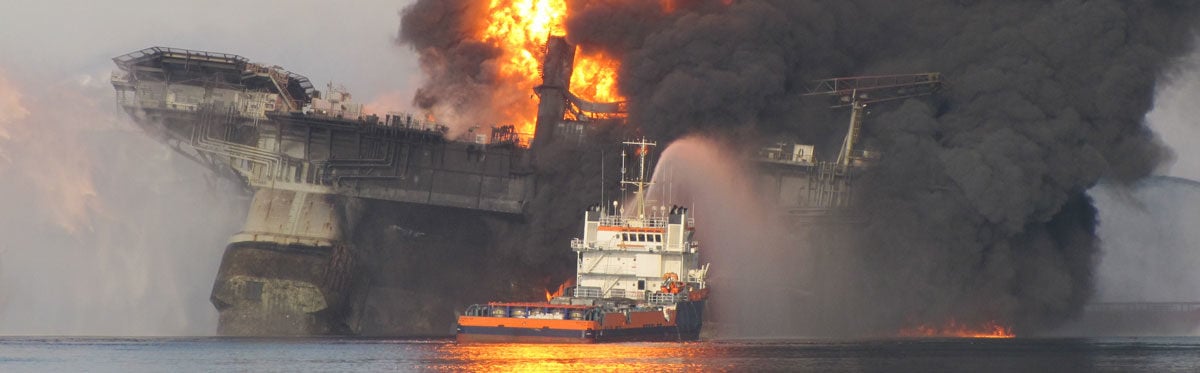
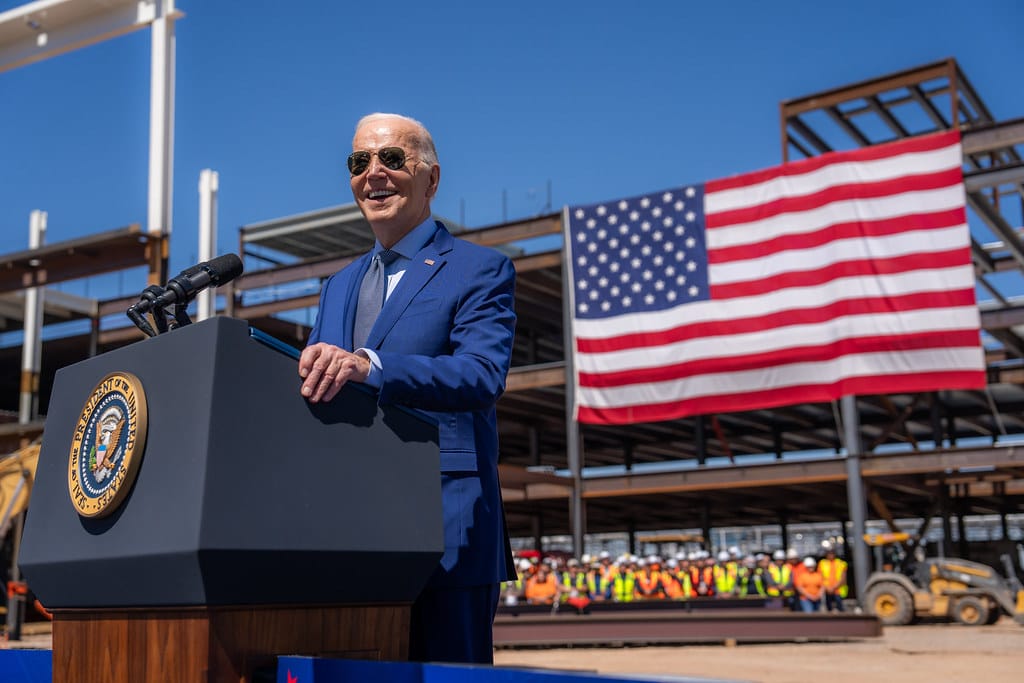
DETROIT PEOPLE MOVER – GOVERNMENT KNOWS BEST

21 comments

Posted on 23rd March 2013 by Administrator in Economy |Politics |Social Issues

, , , ,

I had never heard of the Detroit People Mover before reading the excellent article below. The guy writing the article is absolutely correct. When you let government bureaucrats control what infrastructure projects should be undertaken, they will fuck it up beyond all hope. The three mile long Detroit People Mover is 25 years old and it costs the city $10 million per year to run. The idiots who built it projected ridership of 75,000 per day. Ridership is 5,000 per day. Missed by that much. Obama and his union minions would scorn the suggestions made in this article. They believe that government knows best. They believe the people need to obey, not think. Entreprenuership is evil. Anyone trying to make a profit must be punished. There is no hope for Detroit or this country with the government and their corporate fascist cronies in control.  

Viewpoint: Big project binge fueled Motor City meltdown

By By Edward Glaeser For Bloomberg News

When I hear free-spending national leaders call for more infrastructure investment, I think of Detroit’s absurd People Mover monorail gliding above empty streets. That’s unfair, I know. Yet the city’s epic tragedy, which entered a new stage last week when Mayor Dave Bing lost financial control, provides broader perspective on the potential consequences of mixing economic distress with bad policy making.

Here are five somewhat contradictory lessons from the Motor City’s sad history that relate to the larger national debate about America’s future.

Lesson No. 1: Government can do good things. Long before Ford’s Model T’s, Detroit — the “Straits” — rose as a great inland port because of large-scale public investment. The economic ecosystem of Great Lakes cities depended on the access to the East Coast created by a farsighted public servant, DeWitt Clinton, who used public funds to dig the Erie Canal.

Detroit’s early entrepreneurs, such as Hiram Walker (who avoided Michigan’s puritanical streak by distilling his Canadian Club Whiskey a few miles across the Canadian border), would never have set up shop without water access to the Atlantic. In the early 19th century, private financial markets weren’t developed enough to finance a great canal.

Erie Canal

The antecedent of the Erie Canal doesn’t refute the People Mover example, but the juxtaposition of the two projects as bookends of Detroit’s history provides necessary nuance. Public infrastructure investment can do much good and much harm. The canal was valuable because it reduced transportation costs along an important route. No new infrastructure today is likely to reproduce that magic; it is much easier to get around the country now than it was in 1820.

The canal’s success also reminds us that financing can determine function. As Adam Smith emphasized 237 years ago, investments such as the Erie Canal that are expected to cover their full costs with user fees are more likely to deliver real value. That lesson seems lost on the authors of the Senate’s proposed budget for 2014, which offers $50 billion more for transportation investment, in keeping with our unhealthy new pattern of funding highways with general tax revenue.

The correct middle path between untrammeled spending and parsimony is to favor robust outlays on projects developed by public-private partnerships that will recoup their expenditures with tolls rather than taxes.

Lesson No. 2: It takes a cluster. There was a dustup last summer when President Barack Obama echoed Sen. Elizabeth Warren’s statement that no one ever got rich on their own. The political implication that they seemed to draw — that the U.S. needs more public spending — wasn’t logical to me. Nonetheless, the statement carries much truth. Henry Ford bestrides our economic history like a colossus, but he was no solitary actor.

Ford was a protege of Thomas Edison and became deeply embedded in Detroit’s cluster of automotive genius. The Dodge Brothers, the Fisher Brothers, David Dunbar Buick, Ransom Olds and William Durant (in nearby Flint) were some of the automotive innovators connected throughout greater Detroit. These men supplied each other with parts, financing and, above all, ideas. Collectively, they created the affordable automobile: A tremendous gift to America’s far-flung farmers and the nation’s would-be commuters.

No decent idea has ever been created in a vacuum, and Detroit, like Silicon Valley in the 1970s, reminds us that America is great because our metropolitan areas have enabled the collaborative competition of connected entrepreneurs.

Innovative clusters

This doesn’t imply that local governments can magically create innovative clusters or that we should just increase public spending. But it does suggest that we all depend on the genius of others. Investing intelligently in education, particularly in math and science through charter schools, increases the odds of empowering potential innovators. Opening our borders to talented foreigners by increasing the size of the H-1B visa program is an even easier way to strengthen the talent pool.

Lesson No. 3: Manufacturing is an unreliable source of employment. Detroit’s problems have often been associated with the failures of the automobile industry, but that’s a mistaken view. Detroit’s decline as a city began in the 1950s and ’60s, which were golden years for the Big Three automakers. Its downfall has more to do with the Big Three’s success than their failures.

The industry followed a standard pattern. During an initial phase, small manufacturing startups cluster in cities, but as they come to require larger factories, they move from the urban core to sites such as River Rouge, Michigan. Ultimately, corporate logistics enable production anywhere with fewer and fewer workers. The Big Three are still alive after a century (albeit with federal help), but their endurance doesn’t entail much more employment in the Detroit area. Similarly, the U.S.’s continued strength in manufacturing hasn’t done much to reduce underemployment, because most manufacturing is so highly capital-intensive.

Moreover, manufacturing’s success has a downside. Big corporate structures can crowd out alternative entrepreneurial activities. My work with Bill Kerr and Sari Pekkala Kerr showed that cities that were endowed with valuable mines at the start of the 20th century developed larger mining and manufacturing companies but ended up with less entrepreneurship and growth at the end of the century.

The Big Three sucked in talent and turned a former hub of entrepreneurship into a place defined by large corporate hierarchies.

Urban renewal

Lesson No. 4: The government can also do foolish things. As Detroit’s job dynamo sputtered, and cars enabled suburbanization, both local and federal governments took action. The federal government sponsored urban-renewal projects that built new structures, often in declining areas that didn’t need them, along with local public-transport projects, such as the People Mover. Detroit’s longtime mayor, Coleman Young, favored large-scale construction projects (another arena anyone?) and industrial policy, such as using eminent domain, to create General Motors Co.‘s Hamtramck plant.

These policies relied on three errors. First, they followed a Potemkin Village strategy that favored visible, physical projects rather than building up the human capital that is the real source of urban success. Second, they accepted the magical thinking that large-scale infrastructure projects will reinvent a place, instead of evaluating each project with careful cost- benefit analysis. Third, these policies assumed that the public sector could figure out long-term job creation. The best policy for local economic development is to attract and train smart people and then get out of their way.

Lesson No. 5: The American dream can go terribly wrong and we aren’t on a good path.

Detroit, like the rest of the country, can only come back if the power of its human capital is unleashed. That can only happen with better education, limited regulations and stricter rule of law. To improve education, Detroit should follow New Orleans and move toward a system that is primarily made up of charter schools.

Bing should take a meat cleaver to the rules that make life difficult for would-be entrepreneurs, such as food-truck operators. My colleagues at the Manhattan Institute are helping Detroit to learn from New York’s safety success, and with luck that will also bear fruit.

The broadest lesson of Detroit is that simple-minded nostrums calling for more or less government are foolish. Government can be helpful — and absolutely necessary when it comes to helping the most vulnerable — but also wasteful or worse. To save Detroit, smart government must provide good schools and safe streets, and eschew foolish infrastructure spending and unnecessary regulations.

ADRIFT AT SEA

81 comments

Posted on 18th February 2013 by Administrator in Economy |Politics |Social Issues

, , , , , , , , , , , , , , , , , , , , , , , , , , , ,

 “In individuals, insanity is rare; but in groups, parties, nations and epochs, it is the rule.”
Friedrich Nietzsche


The big story this past week, besides the annual State of the Delusion speech by Barack “It won’t add a cent to the deficit” Obama, was the fate of the passengers on the Carnival Triumph as their skyscraper sized ship was left adrift at sea for days without power. This 900 foot long, 100,000 ton goliath is one of the largest passenger cruise liners in the world, carrying 3,400 passengers and 1,100 crew members in luxurious splendor through warm Gulf of Mexico seas to sun drenched exotic isles. These ships are practically floating countries, with passengers treated to an endless American buffet of never ending quantities of bacon, sausage, biscuits, gravy, fried chicken, mashed potatoes, waffles, pizza, cheesecake, soda, beer and the rum drink of the day. It’s as if all 3,400 passengers have a SNAP card with no limit. There are retail stores, restaurants, bars, ice skating rinks, movie theaters, showplaces, and staff waiting on you hand and foot. No cash changes hands. You charge everything to your room number and then just pay with one of your 13 credit cards at the conclusion of your voyage into debt. Then you pay 18% interest on the 25 Funky Monkeys you consumed for the next 14 years. Cruising captures the essence of America as we traverse our voyage to hell.

The ordeal at sea of the Carnival Triumph and the leadership displayed by the Carnival management and executive officers is a microcosm of our declining empire. The $420 million Carnival Triumph was put into service in 1999 and has run continuously for the last fourteen years, with only periodic dry dock maintenance. These massive ships are replenished within hours of docking and depart within twelve hours of dumping their 3,400 passengers back onshore. The CEO and top management of Carnival care only about ROI and whether their stock options are vested. Their goal is to bilk the passengers out of as much cash as possible, while paying their foreign slave labor crew members as little as possible. The ships are registered in foreign countries for tax purposes and the crew members are mostly from third world countries. Carnival executives and shipboard officers have a history of recklessness, mismanagement, and willingness to endanger its passengers in its greedy thirst for short term profits. Ask the families of the 32 passengers killed in the sinking of the Costa Concordia.


The engine room fire that disabled the Triumph was not an isolated instance. This was the fourth engine room fire on a Carnival owned ship resulting in a loss of power, the others being the Tropicale in 1999, the Carnival Splendor in 2010, and the Costa Allegra in 2012. The Carnival Triumph should not have been at sea. It had been plagued with mechanical problems for weeks prior to the engine fire. Voluntarily taking the ship out of service would have hurt the 1st quarter earnings per share of this public company, therefore the leadership of Carnival told the engineers to patch it up and get it back out on the seas. Two weeks prior to the engine room fire the Carnival Triumph experienced propulsion issues that caused it to be five hours late returning to its Galveston home port on January 28, 2013 and delaying the ship’s departure for its next cruise until 8:00 pm that night. The ship departed, but the problems had not been fixed. The Associate Press reported a story about that cruise that provides a different assessment than the public relations drivel released the corporate office:

An email informed Debbi Smedley and other passengers that the propulsion problem would prevent them from docking at two ports. “Due to the limited cruising speed, our itinerary will be impacted. Depending on the progress of the repairs, we will either visit Progreso or Cozumel,” stated the email, signed by Vicky Rey, vice president of guest services. Smedley said the ship was in poor condition overall. During her five-day cruise, a water line broke in the hallway ceiling near her cabin, and a separate sewer line broke outside the main dining hall, she said. Metal was protruding from handrails on the staircases, and the elevators often did not work. Rather than docking in Progreso for only a few hours as planned, the ship stayed in the port for two days, and cruise workers repeatedly told passengers they were waiting for parts to fix a mechanical problem, according to Smedley.

Carnival’s public relations machine then admitted to an electrical problem with the ship’s alternator in the last voyage before the fire, but claimed it was repaired. What they didn’t reveal is that it was a Coast Guard inspection that revealed there was a short in the high voltage connection box of one of the ships generators causing damage to cables within the connection box. A directive with a compliance due date of February 27, 2013 was issued following the inspection requiring that “the condition of the ship and its equipment shall be maintained to conform with the regulations to ensure that the ship in all respects will remain fit to proceed to sea without danger to the ship or persons on board.” The Coast Guard Marine Information Safety and Law Enforcement System showed that this deficiency remained unresolved at the time of the subsequent fire and loss of power while at sea on February 10. So you have a company PR maggot lying and you have another useless Department of Homeland Security branch not enforcing regulations that are supposed to protect passengers. This is par for the course in our corporate fascist states of America today.

Shit Happens

George: Aha. Aha. Could it be because you don’t want him to know that you have a friend who pees in the shower, is that it?!

Elaine: No, that’s not it!

George: Oh, I think it is! I think that’s exactly what it is!

Elaine: Why couldn’t you just wait?

George: I was there! I saw a drain!

Elaine: Since when is a drain a toilet?!

George: It’s all pipes! What’s the difference?!


George Costanza would have enjoyed sailing on the Carnival Triumph as passengers were left to piss in showers and shit in red plastic bags for days. It finally became socially acceptable to pee in the shower. Most of the ship’s electrical power went down after the engine room fire, causing extensive breakdowns of vital shipboard mechanical systems, including taking out sanitary systems. Passengers reported sewage sloshing around in hallways, flooded rooms and trouble getting enough to eat. Passengers waited in line for three hours to get a lousy hot dog. On the lower decks sewage came up through the shower drain, pooling in the sinks and flowing into the hallways. The allegory of the poor people on the lower decks being inundated with feces and living in wretched conditions, while the rich people living in luxury on the upper decks are blissfully ignorant of the fate of their fellow passengers is so easy to apply to our society in this day and age. The 1% glory in their stock market gains, while 20% of U.S. households are on food stamps.

These direct quotes from passengers and pictures taken onboard this voyage from hell provide a taste of what our future portends:  

“We have to urinate in the shower. They’ve been passed out plastic bags to go to the bathroom. There was fecal matter all over the floor.”

“They’re walking around in a lot of urine and fecal matter, and the sewers are backing up.”

“The sanitation situation was gross and the stench was awful.”

“Just imagine the filth. People were doing crazy things and going to the bathroom in sinks and showers.”

“A lot of people were crying and freaking out.”

“We are trapped aboard a floating petri dish without power, air conditioning, or fresh water.”

“It’s degrading. Demoralizing, and then they want to insult us by giving us $500″

 Disgust: Guests were being forced to defecate into plastic bags and place it outside their rooms as toilets on board the Triumph backed up following the electrical failure Foul: Passengers on board the Carnival Triumph reported that floors were being flooded with raw sewage from overflowing bathrooms

 Where's my charger: After days without power a generator was airlifted unto the ship today and many people took the opportunity to charge their phones

After reading a number of articles describing what happened before, during and after the engine fire aboard the Carnival Triumph, the parallels between this Ship of Horrors and our Ship of State become self-evident. You have the CEO and top executives of Carnival only concerned about their wealth, power and control of the company. Rather than thinking long term and making decisions that might be detrimental to their short term quarterly earnings, but insure the long –term financial health and reputation of the company, their decision was driven by their true masters on Wall Street. Instead of taking the ship off-line to make vital repairs and  necessary investments, they just papered over signs of an imminent disaster and turned to public relations spin and propaganda as there preferred course of action. When disaster “suddenly” struck, the management and executive officers were unprepared, slow to react, and more concerned with their reputations than about the health, safety and welfare of the passengers. Much more could have been done to alleviate the misery of the 3,400 passengers. Carnival could have had a large generator helicoptered onto the deck and used to produce enough electricity to run some lights, ventilation, refrigeration and toilets. It appears that this ship had two engine rooms and only one was damaged by fire. They could have restarted the undamaged engine room and would have had enough power for most normal functions in the cabins of the ship, and probably some capability to propel the ship towards port. The disgraceful lack of urgency and refusal of top management to attempt every possible solution to this crisis is a lesson to be learned by passengers and citizens alike. They don’t care about you.


Rev. Wendell Gill’s experience onboard the Triumph provides a glimpse into our future. He immediately recognized the leadership of the ship was non-existent and it would be up to people helping people if they were to make it through the ordeal:

“What you had was a tale of two ships. You seldom saw a deck officer. I never saw the captain. Some of the people in the upper areas had plenty of air, but down below, it was unlivable. It was like a sauna of sewage. It was the people on the boat that saved Carnival. In an adverse situation, most people will rise to help — that’s just the human spirit.”  

Reverend Gill and his wife noticed that no one from Carnival was stepping up to help the elderly and sick get around. The Gills, along with other concerned passengers, decided to take matters into their own hands, carting mattresses and bedding up from the lower decks. They witnessed the worst side of human nature in the inaction of Carnival leadership, along with some people becoming drunk, disorderly and fighting over food. But they also witnessed people coming together under difficult circumstances, with many in the upper cabins sharing their space with those from the lower uninhabitable decks. The passengers created their own shanty town of tents on deck and in the cooler hallways. The vast majority of people acted like decent human beings. Kindness, sharing, and helping one another won the day. This voyage through hell is a precursor of what lies ahead for everyone in this country. When vital systems fail, the lights go out, and your beloved government leaders are nowhere to be found, how will you fare? Don’t count on someone from the government to lead when we are set adrift in a sea of chaos created by them. The politicians, bankers and bureaucrats will be scrambling to save themselves. Your family, friends, and neighbors will be the only people you can rely on. Your caring government doesn’t really care about you.

Cruisin for a Bruisin      

“Sometimes people don’t want to hear the truth because they don’t want their illusions destroyed.” Friedrich Nietzsche


The similarities between the horrific voyage of the Carnival Triumph and the tragic voyage of the dysfunctional ship of state we call America are many. We have a ruling class consisting of the President, Congress, Judiciary, Central bankers, Media titans, and goliath corporation CEOs who care not for the citizens of this country. You are ignorant peasants in their eyes. They only care about maintaining and expanding their wealth, control and power through the complete capture of our financial markets, political system and media propaganda to the masses. The health and welfare of the peasants isn’t even on their radar screen. The ruling class steering this ship of fools have no interest in the truth or the best long –term interests of the country. The vast majority of the passengers on this impaired listing ship prefers to believe the propaganda and lies spewed by the captain and his minions. They prefer the illusion of safety and security to the truth about the real condition of this ship. When the engines of this ship come to a grinding halt, their illusions will be shattered. Big government will come up small when it counts. The government propaganda and public relations will be revealed as nothing but hot putrid air and fecal matter.

Michael Ramirez Cartoon 

Speaking of fecal matter, President Obama’s State of the Union address, which was watched by 33 million (down from 52 million in 2009) believers, was a perfect reflection of the thinking that led to the Carnival Triumph disaster. The reality facing the country is: $220 trillion of unfunded entitlement liabilities; a $16.5 trillion national debt; annual deficits exceeding $1 trillion; 48 million citizens on food stamps; 11 million people on SSDI; a true unemployment rate of 23%; true inflation exceeding 5%; record high gasoline prices; 0% interest rates for senior citizen savers; free money for criminal bankers provided by their sugar daddy Bernanke; not one criminal prosecution of a Wall Street executive for the greatest financial fraud in history; a war department that spends $1 trillion per year and fights undeclared wars around the world; a chief executive that invokes dictatorial executive orders to murder Americans with his fleet of predator drones and imprison citizens indefinitely without charges; and a bureaucratic nightmare called Obamacare that will drive up deficits, drive up healthcare costs for every family, enrich the healthcare industrial complex, drive doctors into retirement, and drive small businesses into bankruptcy.

Rather than deal with this reality, Obama chose the Carnival Cruise Line method of public relations, misinformation, denial and delusion. He has embraced the Big Lie concept as if he had created it. With a straight face he proposes “investments” in infrastructure, new jobs programs, new education initiatives, more green energy projects, pollution control schemes, bailing out more underwater mortgages, and raising the minimum wage, all done for the children – and it won’t add one cent to the deficit. Instead of leveling with the American people and explaining the dire economic issues confronting our nation that require sacrifice, reality based thinking, and tough choices, we got more platitudes, class warfare, divide and conquer, phantom spending cuts, disingenuous twisting of the truth, intellectual dishonesty and fuzzy math. Public relations spin created by Madison Avenue maggots and pronounced grandly by corrupt puppet politician hacks will not prevent the catastrophic engine failure that will leave this country adrift in a sea of its own feces.

Our cruise of illusions and delusions is headed for troubled water. The math challenged citizens on this ship have been enjoying the 24 hour pizza buffet without the labor required to pay for the bounty. When your leaders boldly lie and tell you we don’t have a spending problem, refer to proposed spending increases as “investments”, and hail $1.6 trillion of spending cuts that did not happen, you’ve got a ship that will be signaling SOS in the imminent future. Both political parties are laughable in their blathering about spending cuts as Bush and his Republican cronies drove spending from $1.9 trillion in 2001 to $3.0 trillion in 2008 with their unfunded wars, unfunded new entitlements (Medicare Part D), Wall Street bailouts, and creation of police state agencies (DHS); while Obama and his Democrat co-conspirators have driven spending up to $3.8 trillion in four years with new unfunded entitlements (Obamacare), expansion of warfare in the Middle East (they sit on top of “our” oil), $800 billion stimulus handouts, $60 billion hurricane relief pork handed out for $25 billion of uninsured losses, and bailing out banks, auto companies, homeowners, and other gamblers who took undo risks and lost to the tune of hundreds of billions. Politicians and the inhabitants of this country have forgotten there are consequences to their actions and inactions.

Carnival Cruise Line is trying to buy off the passengers with refunds and $500 bribes to keep them quiet and sedated, while protecting their continued hundreds of millions in profits and million dollar bonuses for their executives. The ruling class in the United States has bought off the American people with entitlement promises that can’t possibly be honored, food stamps, SSDI, tax rebates, homebuyer tax credits, loan modification programs, Cash for Clunkers, payroll tax cuts, $1 trillion of taxpayer financed student loans, taxpayer financed subprime auto loans, and a myriad of other handouts designed to keep the masses sedated, while the ruling class continues to pillage the national wealth. It’s as if the entire country has been charging their food, drinks, excursions, and purchases to their room number and the bill has reached $16.5 trillion, rising by $3 billion per day. This voyage is reaching an end and the bill is coming due. The engine is on fire but the captain is telling us all is well. Eventually, everyone will know the captain lied.         

Everybody knows that the dice are loaded
Everybody rolls with their fingers crossed
Everybody knows that the war is over
Everybody knows the good guys lost
Everybody knows the fight was fixed
The poor stay poor, the rich get rich
That’s how it goes
Everybody knows
Everybody knows that the boat is leaking
Everybody knows that the captain lied
Everybody got this broken feeling
Like their father or their dog just died

Leonard Cohen – Everybody Knows


survival seed vault

WE PISS TRILLIONS AWAY OVERSEAS WHILE OUR INFRASTRUCTURE CRUMBLES

29 comments

Posted on 22nd September 2012 by Administrator in Economy |Politics |Social Issues

, ,

The http://theeconomiccollapseblog.com/ with another fine list of things to depress you. Here is the missing piece. I hear various jackass pundits like Larry Summers declare that what this nation needs is a massive Keynesian Federal Infrastructure Program to repair our infrastructure and generate jobs. It’s a crock of shit. The Federal government, state governments, county governments, and municipal governments create budgets every fucking year and have been creating them for over 200 years. Expenditures for capital and infrastructure projects have been in these budgets every year. So why is our infrastructure crumbling?

It’s because these politicians and government bureaucrats have CHOSEN to spend YOUR money on gold plated public union contracts, beautiful new municipal buildings, bridges to nowhere, social welfare programs, food stamps, SSDI for depressed people, corporate tax breaks, solar energy subsidies, ethanol subsidies, and the biggest of them all – handing hundreds of billions to dictators we prop up throughout the world, three trillion dollars fighting wars in the Middle East, and spending $900 billion per year policing the world.

We spent billions blowing up Iraqi infrastructure, then spent billions more rebuilding Iraqi infrastructure that we had blown up, while our own infrastructure crumbles by the day.

Well it’s too fucking late people. The fucking money is gone. We can’t afford a massive Keynesian infrastructure program. The money is already committed to Social Security, Medicare, Obamacare, and the Military Industrial Complex. So Solly. 


21 Facts About America’s Decaying Infrastructure That Will Blow Your Mind

 
You can tell a lot about a nation by the condition of the infrastructure.  So what does our infrastructure say about us?  It says that we are in a very advanced state of decay.  At this point, much of America is being held together with spit, duct tape and prayers.  Our roads are crumbling and thousands of our bridges look like they could collapse at any moment.  Our power grid is ancient and over a trillion gallons of untreated sewage is leaking from our aging sewer systems each year.  Our airports and our seaports are clogged with far more traffic than they were ever designed to carry.  Approximately a third of all of the dam failures that have taken place in the United States since 1874 have happened during the past decade.  Our national parks and recreation areas have been terribly neglected and our railroads are a bad joke.  Hurricane Katrina showed how vulnerable our levees are, and drinking water systems all over the country are badly outdated.  Sadly, at a time when we could use significant new investment in infrastructure, our spending on infrastructure is actually way down.  Back during the 50s and the 60s, the U.S. was spending between 3 and 4 percent of GDP on infrastructure.  Today, that figure is down to about 2.4 percent.  But of course we don’t have any extra money to spend on infrastructure because of our reckless spending and because of the massive amount of debt that we have accumulated.  While the Obama administration is spending more than half a million dollars to figure out why chimpanzees throw poop, our national infrastructure is literally falling apart all around us.  Once upon a time nobody else on the planet could match our infrastructure, and now we are in the process of becoming a joke to the rest of the world.

The following are 21 facts about America’s failing infrastructure that will blow your mind….

#1 The American Society of Civil Engineers has given America’s crumbling infrastructure an overall grade of D.

#2 There are simply not enough roads in the United States today.  Each year, traffic jams cost the commuters of America 4.2 billion hours and about 2.8 million gallons of gasoline.

#3 It is being projected that Americans will spend an average of 160 hours stuck in traffic annually by the year 2035.

#4 Approximately one-third of all roads in the United States are in substandard condition.

#5 Close to a third of all highway fatalities are due “to substandard road conditions, obsolete road designs, or roadside hazards.”

#6 One out of every four bridges in America either carries more traffic than originally intended or is in need of repair.

#7 Repairing all of the bridges in the United States that need repair would take approximately 140 billion dollars.

#8 According to the U.S. Chamber of Commerce, our decaying transportation system costs the U.S. economy about 78 billion dollars annually in lost time and fuel.

#9 All over America, asphalt roads are being ground up and are being replaced with gravel roads because they are cheaper to maintain.  The state of South Dakota has transformed over 100 miles of asphalt roads into gravel roads, and 38 out of the 83 counties in the state of Michigan have transformed at least some of their asphalt roads into gravel roads.

#10 There are 4,095 dams in the United States that are at risk of failure.  That number has risen by more than 100 percent since 1999.

#11 Of all the dam failures that have happened in the United States since 1874, a third of them have happened during the past decade.

#12 Close to half of all U.S. households do not have access to bus or rail transit.

#13 Our aging sewer systems spill more than a trillion gallons of untreated sewage every single year.  The cost of cleaning up that sewage each year is estimated to be greater than 50 billion dollars.

#14 It is estimated that rolling blackouts and inefficiencies in the U.S. electrical grid cost the U.S. economy approximately 80 billion dollars a year.

#15 It is being projected that by the year 2020 every single major container port in the United States will be handling at least double the volume that it was originally designed to handle.

#16 All across the United States, conditions at many of our state parks, recreation areas and historic sites are deplorable at best.  Some states have backlogs of repair projects that are now over a billion dollars long….

More than a dozen states estimate that their backlogs are at least $100 million. Massachusetts and New York’s are at least $1 billion. Hawaii officials called park conditions “deplorable” in a December report asking for $50 million per year for five years to tackle a $240 million backlog that covers parks, trails and harbors.

#17 Today, the U.S. spends about 2.4 percent of GDP on infrastructure.  Meanwhile, China spends about 9 percent of GDP on infrastructure.

#18 In the United States today, approximately 16 percent of our construction workers are unemployed.

#19 China has plans to build 55,000 miles of highways by the year 2020.  If all of those roads were put end to end, it would be longer than the total length of the entire U.S. interstate system.

#20 The World Economic Forum ranks U.S. infrastructure 23rd in the world, and we fall a little bit farther behind the rest of the developed world every single day.

#21 It has been projected that it would take 2.2 trillion dollars over the next 5 years just to repair our existing infrastructure.  That does not even include a single penny for badly needed new infrastructure.

So where did we go wrong?

Well, one of the big problems is that we have become a very materialistic society that is obsessed with short-term thinking.  Investing in infrastructure is something that has long-term benefits, but these days Americans tend to only be focused on what is happening right now and most politicians are only focused on the next election cycle.

Another major problem is that there is so much corruption and waste in our system these days.  The government certainly spends more than enough money, but very little of that money is spent wisely.  A lot of the money that could be going toward rebuilding our infrastructure is being poured down the toilet instead.  For much more on this, please read my previous article entitled “16 Sickening Facts That Show How Members Of Congress And Federal Workers Are Living The High Life At Your Expense“.

Unfortunately, it is probably appropriate that our infrastructure is decaying because we are decaying in just about every other way that it is possible for a society to decay.

We are decaying economically, politically, mentally, emotionally, physically, morally and spiritually.

We are a complete and total mess.  So why shouldn’t what is happening to our infrastructure on the outside match what is happening to us as a nation on the inside?

And sadly, we simply do not have the money that we need for infrastructure because of all the debt that we have piled up.  The federal government, our state governments and our local governments are all struggling to stay afloat in an ocean of red ink, and unfortunately that means that spending on infrastructure is likely to be cut even more in the years ahead.

So get used to rotting, crumbling, decaying infrastructure.  What you see out there right now is only just the beginning.

DON’T BE SO SMUG

19 comments

Posted on 2nd August 2012 by Administrator in Economy |Politics |Social Issues

, , ,

I love reading smug editorials about the problems in other countries. India certainly has its problems. It sounds like they have a corrupt dysfuctional government that allocates their resources foolishly. I’m sure glad I don’t live in a country like that. Their electrical power grid is ancient and overloaded. I’m sure glad my country has a modern efficient electrical grid. Surely a one hour thunderstorm couldn’t knock out power to hundreds of thousands for weeks. Surely an ice storm couldn’t knock out power to thousands for a month. It seems the people of India and the businesses of India know not to trust the government and provide their own backup power generation for when the government fails them.

Here in the U.S. the clueless masses are prepared for nothing. Three days without power and people would be dying, rioting and begging for their government to save them. Anyone who thinks our electrical grid and underground water infrastructure isn’t crumbling and on the verge of collapse is living in a fantasy world. Three water main pipes have broken in Phila in the last two weeks creating enormous sinkholes and flooding hundreds of homes. The costs will be in the millions. Government has failed again. They spent your tax dollars on useless welfare and warfare, while our infrastructure deteriorated and now crumbles before our very eyes. And guess what. There is no money left to invest. It’s gone.

So don’t be so smug when reading about the problems of other countries. We have a few.

India sets back-to-back blackout records

Wednesday, August 1,2012


India is more and more often being held up to us as a nation that has embraced the computer age and run with it. At least that’s what the outfits that outsource jobs to Bangalore tell us.

But the next time you’re talking to “Chad” or “Ashley” on the help desk, that IT person may be working his laptop by candlelight and praying that the battery holds out until your problem is solved or his shift ends.

On Tuesday, India experienced the largest power outage in the history of electricity when 670 million, nearly one of every 10 people in the world, was suddenly blacked out.

The second greatest blackout was Monday when 300 million people, one-fourth of the country, were left in the dark. More than 500 trains abruptly came to a halt, and there was massive gridlock when the traffic lights quit working.

Indian drivers, who are said to take an unstructured approach to driving, might have said, “Traffic lights? We have traffic lights?”

One-fourth of the country, 300 million, missed the blackout altogether because they don’t have electricity in the first place.

Chandrajit Banerjee, director general of the Confederation of Indian Industry, was quoted as saying, “The developments of yesterday and today have created a huge dent in the country’s reputation that is most unfortunate.”

“Dent?” Crater would be more like it. The Washington Post observed, “Along with a lack of investment in infrastructure, the crisis also had roots in many of India’s familiar failings: the populist tone of much of its politics, rampant corruption in its government and public sector, weak law enforcement, and a maze of regulations that restrict many industries.”

One of them is a limit on mining India’s abundant reserves of coal, leaving many coal-fired generating plants chronically short of fuel.

News accounts say populist politicians force the power companies to sell power to favored customers at less than the cost of producing it, and then farmers, who get free power for irrigation, turn around and sell the electricity to local factories.

Meanwhile, somewhere between 24 percent and 40 percent of the power is lost in transmission because of inefficiency and theft.

Various explanations for the outage were offered. The most common was that the individual Indian states, in violation of the laws and regulations, simultaneously began drawing more than their share of power from the grid.

My favorite, if only for its beguiling honesty, was an official in the New Delhi power department, who said, “We are absolutely clueless why this happened again today.”

The blackouts would seem to call for a major increase in generating capacity but one that the government seems incapable of providing. India’s great rival as an emerging power is China, but, as The Wall Street Journal noted, “In recent years, China has added six times more power than India to its grid annually.”

It’s probably not the source of the problem but it’s worth noting that as the lights were going out all over northern India, the power minister was being promoted to the much more important post of home affairs minister.

We might point out that the worst blackout in the United States, 50 million people in the Northeast, happened when a couple of untrimmed trees brushed against some power lines in Ohio. And regularly in the national capital trees fall on the power lines and tens of thousands of people are left without power for days.

We here in the United States have mastered the art of a steady power supply. It’s the trees that stump us.

Dale McFeatters is a columnist for Scripps Howard News Service.

ENERGY INDEPENDENCE – THE BIG LIE

110 comments

Posted on 14th November 2011 by Administrator in Economy |Politics |Social Issues

, , , , , , , , , , , , , , , , , , , , , , , , ,


 PRICE OF A BARREL OF OIL 1978 – $14.00

“We are the generation that will win the war on the energy problem and in that process, rebuild the unity and confidence of America.” - President Jimmy Carter, 1979

“We have it in our power to act right here, right now. I propose $6 billion in tax cuts and research and developments to encourage innovation, renewable energy, fuel-efficient cars, and energy-efficient homes.” - President Bill Clinton, 1998

“I think that in ten years, we can reduce our dependence so that we no longer have to import oil from the Middle East or Venezuela. I think that’s about a realistic time frame…That’s why I’ve focused on putting resources into solar, wind, biodiesel, geothermal. These have been priorities of mine since I got to the Senate, and it is absolutely critical that we develop a high fuel efficient car that’s built not in Japan and not in South Korea, but built here in the United States of America.” - President Barack Obama, 2008

“We don’t have to wait on OPEC anymore. We don’t have to let them hold us hostage. America’s got the energy. Let’s have American energy independence.”- Rick Perry, CNN Debate, October 18

“We must become independent from foreign sources of oil. This will mean a combination of efforts related to conservation and efficiency measures, developing alternative sources of energy like biodiesel, ethanol, nuclear, and coal gasification, and finding more domestic sources of oil such as in ANWR or the Outer Continental Shelf (OCS).”Mitt Romney  

PRICE OF A BARREL OF BRENT OIL 2011 – $114.00


It is too bad that our 255 million cars can’t run on hot air. American presidents have propagated the Big Lie of energy independence for the last three decades. The Democrats have lied about green energy solutions and the Republicans have lied about domestic sources saving the day. These deceitful politicians put the country at risk as they misinform and mislead the non-thinking American public. They have been declaring our energy independence for 30 years, but we import three times as much oil today as we did in the early 1980’s. The CPI has gone up 350% since 1978, but the price of a barrel of oil has risen 800% over the same time frame. Today, I hear the same mindless fabrications from politicians and pundits about our ability to become energy independent. Any critical thinking analysis of the hard facts reveals that the United States will grow increasingly dependent upon other countries to supply our energy needs from a dwindling and harder to access supply of oil and natural gas. The fantasy world of plug in cars, corn driven vehicles and solar energy running our manufacturing plants is a castle in the sky flight of imagination. The linear thinking academic crowd believes a technological miracle will save us, when it is evident technology fails without infinite quantities of cheap oil.

I know the chart below requires some time to grasp, but I’m sure the average American can take five minutes away from watching Jersey Shore, Dancing with the Stars, or the latest update of the Kardashian saga to understand why the propaganda about energy independence is nothing but falsehoods. You have U.S. energy demand by sector on the right and the energy source by fuel on the left. Total U.S. energy use is nearly 100 quadrillion Btu. In physical energy terms, 1 quad represents 172 million barrels of oil (8 to 9 days of U.S. oil use), 50 million tons of coal (enough to generate about 2% of annual U.S. electricity use), or 1 trillion cubic feet of natural gas (about 4% of annual U.S. natural gas use).  

Please note that 37% of our energy source is petroleum, which supplies 95% of the energy for our transportation sector. That means your car and the millions of 18 wheelers that deliver your food to your grocery stores and electronic gadgets to your Best Buy. You can’t fill up your SUV with coal, natural gas, nuclear energy or sunshine. Without the 7 billion barrels of oil we use every year, our just in time mall centric suburban sprawl society would come to a grinding halt. There is no substitute for cheap plentiful oil anywhere in sight. The government sponsored ethanol boondoggle has already driven food prices higher, while requiring more energy to produce than it generates. Only a government “solution” could raise food prices, reduce gas mileage, and bankrupt hundreds of companies in an effort to reduce our dependence on oil. Natural gas as a transportation fuel supplies 2% of our needs. The cost to retro-fit 160,000 service stations across the country to supply natural gas as a fuel for the non-existent natural gas automobiles would be a fool’s errand and take at least a decade to implement.   


The green energy Nazis despise coal and nuclear power, which account for 31% of our energy supply. They want to phase coal out. They aren’t too fond of fracking either, so there goes another 23% of our supply. You might be able to make out that itsy bitsy green circle with the 7% of our supply from renewable energy. And more than half of that energy is supplied by hydro power. Less than 2% of our energy needs are met by solar and wind. For some perspective, we need to use the equivalent of 17 billion barrels of oil per year to run our society and solar and wind supplies the equivalent energy of about 300 million barrels of that total. I think our green energy dreams will come up just a smidgen short of meeting our demands. Nothing can replace oil as the lifeblood of our culture and there is no domestic supply source which will eliminate or even reduce our dependence upon the 10 million barrels per day we import from foreign countries. There are some hard truths that are purposefully ignored by those who want to mislead the public about the grim consequences of peak cheap oil:

  • The earth is finite. The amount of oil within the crust of the earth is finite. As we drain 32 billion barrels of oil from the earth every year, there is less remaining within the earth. We have drained the cheapest and easiest to reach 1.4 trillion barrels from the earth since the mid 1800s. The remaining recoverable 1.4 trillion barrels will be expensive and hard to reach.
  • The United States has about 2% of the world’s proven oil and gas reserves, but consumes 22% of the world’s oil production and 27% of the world’s natural gas production.
  • Demand for oil will continue to rise no matter what the United States does, as the developing world consumption far outstrips U.S. consumption. Oil is fungible and will be sold to the highest bidder.
  • The concept of energy returned on energy invested (EROEI) is beyond the grasp of politicians and drill, drill, drill pundits. EROEI is the ratio of the amount of usable energy acquired from a particular energy resource to the amount of energy expended to obtain that energy resource. When the EROEI of a resource is less than or equal to one, that energy source becomes an “energy sink”, and can no longer be used as a primary source of energy. Once it requires 1.1 barrels of oil to obtain a barrel of oil, the gig is up.
  • There is a negative feedback loop that revolves around oil supply, oil price and economic growth. As demand continues to rise and supply is more difficult to access, prices will rise. Since oil is an essential ingredient in every aspect of our lives, once the price reaches $120 to $150 a barrel economic growth goes into reverse. Demand crashes and investment in new sources of energy dries up. Rinse and repeat.

Finite World

World oil production peaked in 2005 has been flat since then, despite a continuous stream of promises from Saudi Arabia that they are on the verge of increasing production. The chart below from the U.S. Energy Information Administration propagates the standard fabrications about energy supplies. Even though worldwide oil production has clearly peaked, the oil industry PR whores and government agencies continue to project substantial production growth in the future. The mainstream media trots out Daniel Yergin whenever it wants to calm the masses, despite his track record of being 100% wrong 100% of the time. The brilliance of his July, 2005 Op-Ed shines through:

“Prices around $60 a barrel, driven by high demand growth, are fueling the fear of imminent shortage — that the world is going to begin running out of oil in five or 10 years. This shortage, it is argued, will be amplified by the substantial and growing demand from two giants: China and India. There will be a large, unprecedented buildup of oil supply in the next few years. Between 2004 and 2010, capacity to produce oil (not actual production) could grow by 16 million barrels a day — from 85 million barrels per day to 101 million barrels a day — a 20 percent increase. Such growth over the next few years would relieve the current pressure on supply and demand.”

Oil production capacity has not grown by one barrel since Yergin wrote this propaganda piece. This is despite the fact that prices have almost doubled, which should have spurred production. The current energy independence false storyline – the Bakken Formation – has gone from production of 10,000 barrels per day in 2003 to 400,000 barrels per day now, while the hundreds of millions invested in developing the Canadian tar sands have increased production by 50% since 2005. Despite these substantial increases in output, worldwide production has remained flat as existing wells deplete at the same rate that new production is brought online.


The facts are there is approximately 1.4 trillion barrels of recoverable oil left in the crust of the earth. We currently suck 32 billion barrels per year out of the earth. This means we have 44 years of oil left, at current consumption levels. But we know demand is growing from the developing world. Taking this fact into consideration, we have between 35 and 40 years worth of recoverable oil left on the planet. That is not a long time. Additionally, the last 1.4 trillion barrels will much more difficult and costly to extract than the first 1.4 trillion barrels. The remaining oil is miles under the ocean floor, trapped in shale and tar sands, and in the arctic. Despite these hard facts, governmental agencies and politicians continue to paint a rosy picture about our energy future. I watched in stunned amazement last week as five bozos on the McLaughlin Group news program unanimously proclaimed the U.S. would become a net exporter of oil in the coming decade. Do these supposedly intelligent people not understand the basic economics of supply, demand and price?  

It seems the governmental organizations always paint the future in the most optimistic terms, despite all facts pointing to a contrary outcome. The EIA predicts with a straight face that oil production will rise to 110 million barrels per day, while the price of a barrel of oil remains in the current $100 to $125 per barrel range. Non-OPEC production has been in decline since 2004, but the EIA miraculously predicts a 15% increase in production over the next 25 years. OPEC production has been flat since 2005, but the EIA is confident their 50 year old oil fields will ramp up production by 25% in the next 25 years. Does the EIA consider whether OPEC even wants to increase production? It would appear that constrained supply and higher prices would be quite beneficial to the OPEC countries. And then of course there is the unconventional oil that is supposed to increase from 4 million barrels per day to 13 million barrels per day, a mere 325% increase with no upward impact on prices. These guys would make a BLS government drone blush with the utter ridiculousness of their predictions.


The picture below is an excellent representation of how the easy to access oil and gas of the earth have been tapped. They were close to the surface. The remaining oil and gas is deeper and trapped within shale and sand. The new technology for extracting gas from shale has concerns regarding whether fracking and disposal of waste water can be done safely, especially near highly populated areas. The relationship between fracking and earthquakes could also prove to be problematic. The wells also have rapid decline rates. Add a mile of ocean to the picture below and you have some really expensive to access oil and potential for disaster, as witnessed with the Deep Water Horizon.


The EIA projects natural gas supply to grow by 10% between now and 2035 due to a 300% increase in shale gas supply. It seems the EIA believes the fantasy of 8 Saudi Arabia’s in the Bakken formation of North Dakota and decades of gas within the Marcellus Shale. These fantasies have been peddled by the natural gas industry in order to get support for their fracking efforts. This false storyline is damaging to the long-term planning that should be taking place now to alleviate the energy scarcity that is our future. In 2006 the EIA reported the possibility of 500 billion barrels of oil in the Bakken formation, based on guesswork. The U.S. Geological Survey has since scaled this back ever so slightly to 3.65 billion barrels, which is six months of U.S. consumption. The deceptions peddled regarding Marcellus shale are also colliding with reality. The U.S. Geological Survey recently produced an estimate of Marcellus Shale resources, which will cause the EIA to reduce its estimate of shale gas reserves for the Marcellus Shale by 80%. The price of natural gas is currently $3.54 MMBtu, down from $13 a few years ago. Extracting natural gas from shale has high capital costs of land, drilling and completion. It is not economically feasible below $6 MMBtu.


Based on the known facts and a realistic view of the future, there will be less supply of oil and natural gas as time goes on. We can already see the impact of these facts today. Even though Europe and the U.S. are in recession, the price of oil continues to rise. The developing world continues to demand more oil and the supply is stagnant. Stunts like withdrawing oil from the Strategic Reserve are foolish and politically motivated. Is the world then running out of oil then? No, but any increase in future global oil production will be modestly incremental and production could be thrown off course by any number of possible events, from an Israeli attack on Iran to (another, but successful this time) al Qaida attack on Saudi Arabia’s Abqaiq oil refinery. Any forecast regarding future oil production and prices isn’t worth the paper it is written on unless consideration to wars, revolutions and terrorism are factored into the equation.

We Don’t Matter

Americans like to think we are the center of the universe. Those who propagate the misinformation about U.S. energy independence are clearly math challenged. The total proven oil reserves in the world total 1.4 trillion barrels and the United States has 22 billion barrels of that total, or 1.6% of the world’s oil. The U.S. burns 7 billion barrels per year, so we have enough oil to survive for three whole years. The U.S. consumes 22% of the world’s oil despite having 4.5% of the world’s population and less than 2% of the world’s oil. Do these facts lead you to the conclusion the United States will be exporting oil in the near future?


When you hear the pundits breathtakingly describe our vast natural gas resources you would think we are the dominant player in this market. Not quite. The United States has 4% of the world’s natural gas reserves. Predictably we consume 22% of the world’s natural gas. Russia controls 25% of the world’s natural gas reserves, with the Middle East countries controlling 40% of the world’s reserves. The pundits can hype our “vast” supplies of natural gas, but the facts clearly reveal it is nothing but hype.


The U.S. is consuming less oil than it was in 2005. U.S. consumption is not the crucial factor in determining the price of oil today and our consumption will matter even less in the future. Emerging market countries, led by China and India, will be the driving force in oil demand in the coming decades. According to the IEA, “Non-OECD [emerging markets] account for 90% of population growth, 70% of the increase in economic output and 90% of energy demand growth over the period from 2010 to 2035.”


This demand is being driven by the growth in vehicles in emerging markets. The U.S. market has reached a saturation point, but China, India and the rest of the world are just beginning their love affairs with the automobile. The accumulation of facts regarding both supply and demand should even convince the most brainless CNBC talking head that the price of oil will continue to rise. The 2008 peak price of $145 per barrel will not hold. The tried and true American method of ignoring problems until they reach crisis proportions will bite us in the ass once again.


Slippery Road Ahead

The concept of EROI is incomprehensible to the peak oil deniers. When Larry Kudlow or one of the other drill, drill, drill morons proclaims the vast amount of oil in North Dakota shale and in Alberta, Canada tar sands, they completely ignore the concept of EROI. Some estimates conclude there are 5 trillion barrels of oil left in the earth. But, only 1.4 trillion barrels are considered recoverable. This is because the other 3.6 trillion barrels would require the expenditure of more energy to retrieve than they can deliver. Therefore, it is not practical to extract. When oil was originally discovered, it took on average one barrel of oil to find, extract, and process about 100 barrels of oil. That ratio has declined steadily over the last century to about three barrels gained for one barrel used up in the U.S. and about ten for one in Saudi Arabia.

The chart below clearly shows the sources of energy which have the highest energy return for energy invested. I don’t think I’ve heard Obama or the Republican candidates calling for a national investment in hydro-power even though it is hugely efficient. The dreams of the green energy crowd are shattered by the fact that biodiesel, ethanol and solar require as much energy to create as they produce. Tar sands and shale oil aren’t much more energy efficient. It’s too bad Obama and his minions hate dirty coal, because has the best return on energy invested among all the practical sources.   

 File:EROI - Ratio of Energy Returned on Energy Invested - USA.svg

Worse than the peak oil deniers are those who pretend that oil isn’t really that important to our society. They declare that technology will save the day, when in reality technology can’t function without oil. Without plentiful cheap oil our technologically driven civilization crashes. We are addicted to oil. Americans consume petroleum products at a rate of three-and-a-half gallons of oil and more than 250 cubic feet of natural gas per day each.  You might be interested in a partial list of products that require petroleum to be produced.

Solvents Diesel fuel Motor Oil Bearing Grease
Ink Floor Wax Ballpoint Pens Football Cleats
Upholstery Sweaters Boats Insecticides
Bicycle Tires Sports Car Bodies Nail Polish Fishing lures
Dresses Tires Golf Bags Perfumes
Cassettes Dishwasher parts Tool Boxes Shoe Polish
Motorcycle Helmet Caulking Petroleum Jelly Transparent Tape
CD Player Faucet Washers Antiseptics Clothesline
Curtains Food Preservatives Basketballs Soap
Vitamin Capsules Antihistamines Purses Shoes
Dashboards Cortisone Deodorant Footballs
Putty Dyes Panty Hose Refrigerant
Percolators Life Jackets Rubbing Alcohol Linings
Skis TV Cabinets Shag Rugs Electrician’s Tape
Tool Racks Car Battery Cases Epoxy Paint
Mops Slacks Insect Repellent Oil Filters
Umbrellas Yarn Fertilizers Hair Coloring
Roofing Toilet Seats Fishing Rods Lipstick
Denture Adhesive Linoleum Ice Cube Trays Synthetic Rubber
Speakers Plastic Wood Electric Blankets Glycerin
Tennis Rackets Rubber Cement Fishing Boots Dice
Nylon Rope Candles Trash Bags House Paint
Water Pipes Hand Lotion Roller Skates Surf Boards
Shampoo Wheels Paint Rollers Shower Curtains
Guitar Strings Luggage Aspirin Safety Glasses
Antifreeze Football Helmets Awnings Eyeglasses
Clothes Toothbrushes Ice Chests Footballs
Combs CD’s & DVD’s Paint Brushes Detergents
Vaporizers Balloons Sun Glasses Tents
Heart Valves Crayons Parachutes Telephones
Enamel Pillows Dishes Cameras
Anesthetics Artificial Turf Artificial limbs Bandages
Dentures Model Cars Folding Doors Hair Curlers
Cold cream Movie film Soft Contact lenses Drinking Cups
Fan Belts Car Enamel Shaving Cream Ammonia
Refrigerators Golf Balls Toothpaste Gasoline


The propaganda blared at the impressionable willfully ignorant American public has worked wonders. The vast majority of Americans have no clue they have entered a world of energy scarcity, a world where the average person is poorer and barely able to afford the basic necessities of life. This is borne out in the vehicles sales statistics reported every month. There have been 10.5 million passenger vehicles sold through the first 10 months of 2011. In addition to the fact they are “purchased” using 95% debt and financed over seven years, the vast majority are low mileage vehicles getting less than 20 mpg. Only 1.8 million small energy efficient vehicles have been sold versus 6.1 million SUVs, pickup trucks and large luxury automobiles. Americans have the freedom to buy any vehicle they choose. They also have the freedom to not think and ignore the facts about the certainty of higher prices at the pump. By choosing a 20 mpg vehicle over a 40 mpg vehicle, they’ve sealed their fate. How could the average soccer mom get by without a Yukon or Excursion to shuttle Biff and Buffy to their games? Have you ever tried to navigate a soccer field parking lot in a hybrid? The horror!

The American public has been lulled back into a sense of security as gas prices have receded from $4.00 a gallon back to $3.40 a gallon. This lull will be short lived. Oil prices have surged by 15% in the last two months, even as the world economy heads into recession. The link between high oil prices and economic growth are undeniable, even though the deceitful pundits on CNBC will tell you otherwise. Ten out of eleven recessions since World War II were associated with oil price spikes. Gail Tverberg sums up the dilemma of energy scarcity for the average American:

“High-priced oil tends to choke economies because high oil prices are associated with high food prices (because oil products are used in food growing and transport), and people’s salaries do not rise to offset this rise in food and oil prices. People have to eat and to commute to their jobs, so they cut back on other expenditures. This leads to recession. Recession leads to lower oil consumption, since people without jobs can’t buy very much of anything, oil products included. In some sense, the reduction in oil extraction is due to reduced demand, because citizens cannot afford the high-priced oil that is available.”

But don’t worry. The rising oil and food prices will only impact the 99% in the U.S. and the poorest dregs across the globe that spend 70% of their income on food. The 1% will be just fine as they will bet on higher oil prices, therefore further enriching themselves while the peasants starve. The market for caviar, champagne, NYC penthouses, and summer mansions in the Hamptons will remain robust.

There is no escape from the ravages of higher priced oil. There is plenty of oil left in the ground. But, the remaining oil is difficult, slow and expensive to extract. Oil prices will rise because they have to. Without higher prices, who would make the huge capital investment required to extract the remaining oil? Once oil prices reach the $120 to $150 per barrel range our economy chokes and heads into recession. We are trapped in an endless feedback loop of doom. The false storyline of renewable energy saving the day is put to rest by Gail Tverberg:

“Renewables such as wind, solar PV, cellulosic ethanol, and biogas could more accurately be called “fossil fuel extenders” because they cannot exist apart from fossil fuels. Fossil fuels are required to make wind turbines and other devices, to transport the equipment, to make needed repairs, and to maintain the transport and electrical systems used by these fuels (such as maintaining transmission lines, running-back up power plants, and paving roads). If we lose fossil fuels, we can expect to lose the use of renewables, with a few exceptions, such as trees cut down locally, and burned for heat, and solar thermal used to heat hot water in containers on roofs.”

Predictably, the politicians and intellectual elite do the exact opposite of what needs to be done. We need to prepare our society to become more local. Without cheap plentiful oil our transportation system breaks down. Our 3.9 million miles of road networks will become a monument to stupidity as Obama and Congress want to spend hundreds of billions on road infrastructure that will slowly become obsolete. The crumbling infrastructure is already the result of government failure, as the money that should have been spent maintaining our roads, bridges and water systems was spent on train museums, turtle crossings, teaching South African men how to wash their genitalia, studies on the mating habits of ferrets, and thousands of other worthless Keynesian pork programs. If our society acted in a far sighted manner, we would be creating communities that could sustain themselves with local produce, local merchants, bike paths, walkable destinations, local light rail commuting, and local energy sources. The most logical energy source for the U.S. in an oil scarce scenario is electricity, since we have a substantial supply of coal and natural gas for the foreseeable future and the ability to build small nuclear power plants. The Fukushima disaster is likely to kill nuclear as an option until it is too late. The electrical grid should be the number one priority of our leaders, as it would be our only hope in an oil scarce world. Instead, our leaders will plow borrowed money into ethanol, solar, and shale oil drilling, guaranteeing a disastrous scenario for our country.

The United States is a country built upon the four C’s: Crude, Cars, Credit, and Consumption. They are intertwined and can’t exist without crude as the crucial ingredient. As the amount of crude available declines and the price rises, the other three C’s will breakdown. Our warped consumer driven economy collapses without the input of cheap plentiful oil. Those at the top levels of government realize this fact. It is not a coincidence that the War on Terror is the current cover story to keep our troops in the Middle East. It is not a coincidence the uncooperative rulers (Hussein, Gaddafi) of the countries with the 5th and 9th largest oil reserves on the planet have been dispatched. It is not a coincidence the saber rattling grows louder regarding the Iranian regime, as they sit atop 155 billion barrels of oil, the 4th largest reserves in the world. It should also be noted the troops leaving Iraq immediately began occupying Kuwait, owner of the 6th largest oil reserves on the planet. Oil under the South China Sea and in the arctic is being hotly pursued by the major world players. China and Russia are supporting Iran in their showdown with Israel and the U.S. As the world depletes the remaining oil, conflict and war are inevitable. The term Energy Independence will carry a different meaning than the one spouted by mindless politicians as the oil runs low.

And as things fell apart
Nobody paid much attention

Nothing but Flowers – The Talking Heads